Content Marketing
What Makes Content Marketing Actually Generate Business?
Most content marketing looks busy and does nothing. Regular posts, decent design, a few likes here and there — still no enquiries. It's rarely about effort. The content just was never built to lead anywhere in the first place.
So what actually separates content that exists from content that brings in business? A few things, and none of them are complicated.
It starts with a real question, not a content calendar
A lot of content gets planned around what's easy to post, not what someone's actually stuck on.
"5 tips for glowing skin" is easy to write and easier to forget.
"Why does my skin break out after switching products" — that's what someone typed into Google last week, or asked a friend about over chai.
That gap is the whole game. It decides whether your content gets found at all, and whether anyone remembers it after.
Before writing anything, ask yourself what your customer was googling, or texting a friend about, right before they needed you.
It has to match where the person actually is
Someone scrolling past you for the first time isn't ready for "book now." Someone who's read three of your posts over a month probably is. Treat every piece of content the same way — as if everyone's equally ready to buy — and that's a big reason content gets attention but zero action.
A rough split that tends to work: some content just needs to be useful or interesting on its own, some builds trust through real results or behind-the-scenes, and a smaller chunk carries a direct offer. When almost everything falls into that last bucket, people stop listening. Fast.
It needs a point of view, not just coverage
There's a real difference between informing and actually saying something. "Here's what SEO is" exists on a thousand websites already, word for word practically. "Here's why most small businesses get SEO backwards, and what actually moves the needle" — that gives someone a reason to read yours specifically, and to remember who said it.
Honestly? This is where a lot of AI-assisted content falls apart. It covers the topic completely and says absolutely nothing memorable. If any competitor in your space could've posted the exact same thing, it's not doing its job. Simple as that.
It gets pushed out, not just published
Post a blog and wait for traffic to show up? Doesn't really work anymore, especially for a newer or smaller account. The content has to land where people already are — a summarized carousel on Instagram, a WhatsApp status, a line in an email. If we're being honest about it, getting content seen usually takes more work than writing it did. Nobody likes hearing that, but it's true.
This is also where a small ad budget earns its keep — pushing a well-performing organic post to people beyond your current followers. Our Meta Ads budget guide covers what that typically costs.
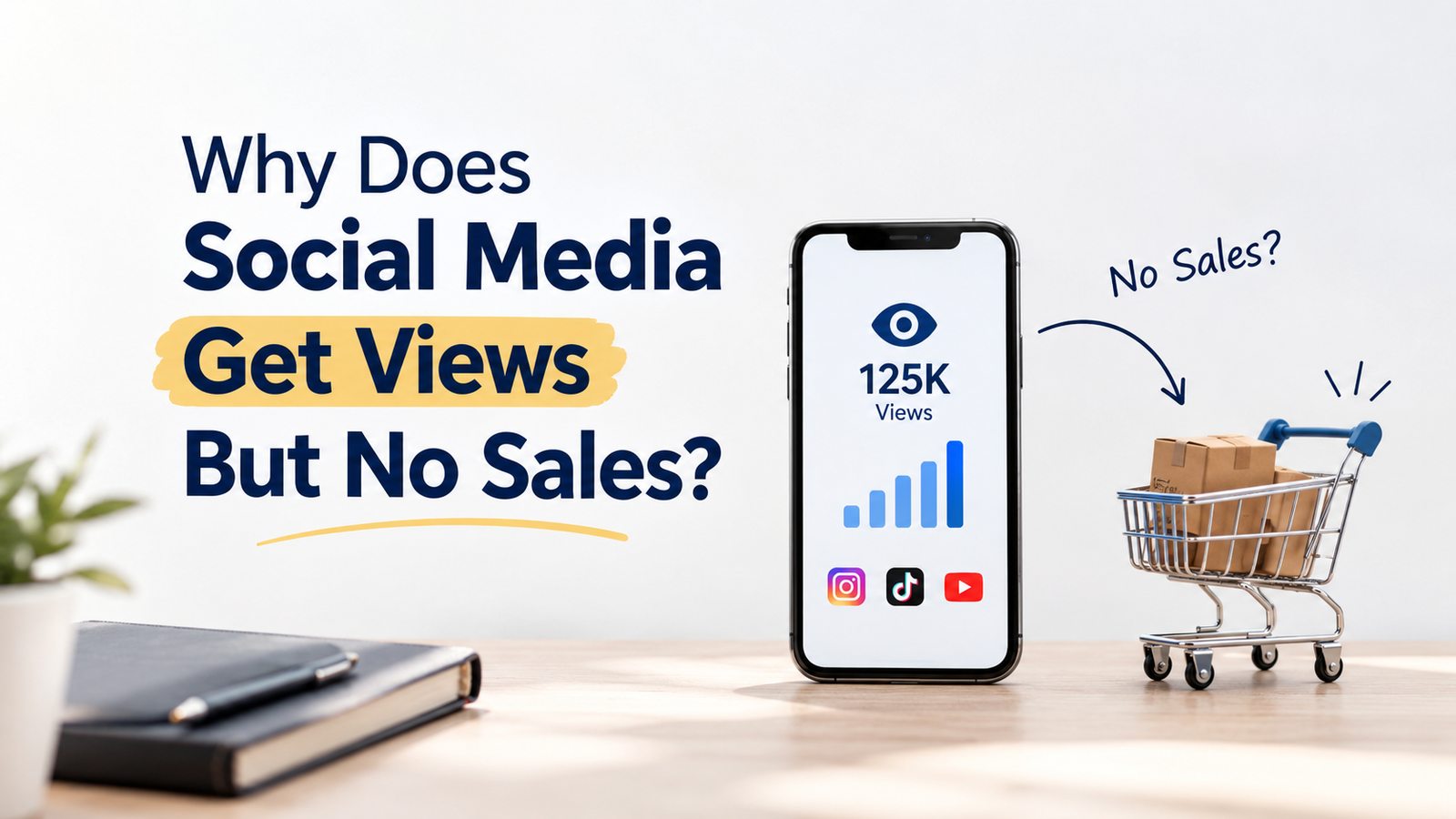
We've also written before about why organic reach alone tends to stall before it turns into sales, in why social media gets views but no sales.
It leads somewhere
A reel or post that entertains and then just... ends? That's a missed shot. Every piece should nudge toward some next step, even a small one — save this, message us for pricing, check the tool we mentioned, read the related post. Content with no next step dies the second someone finishes reading it.
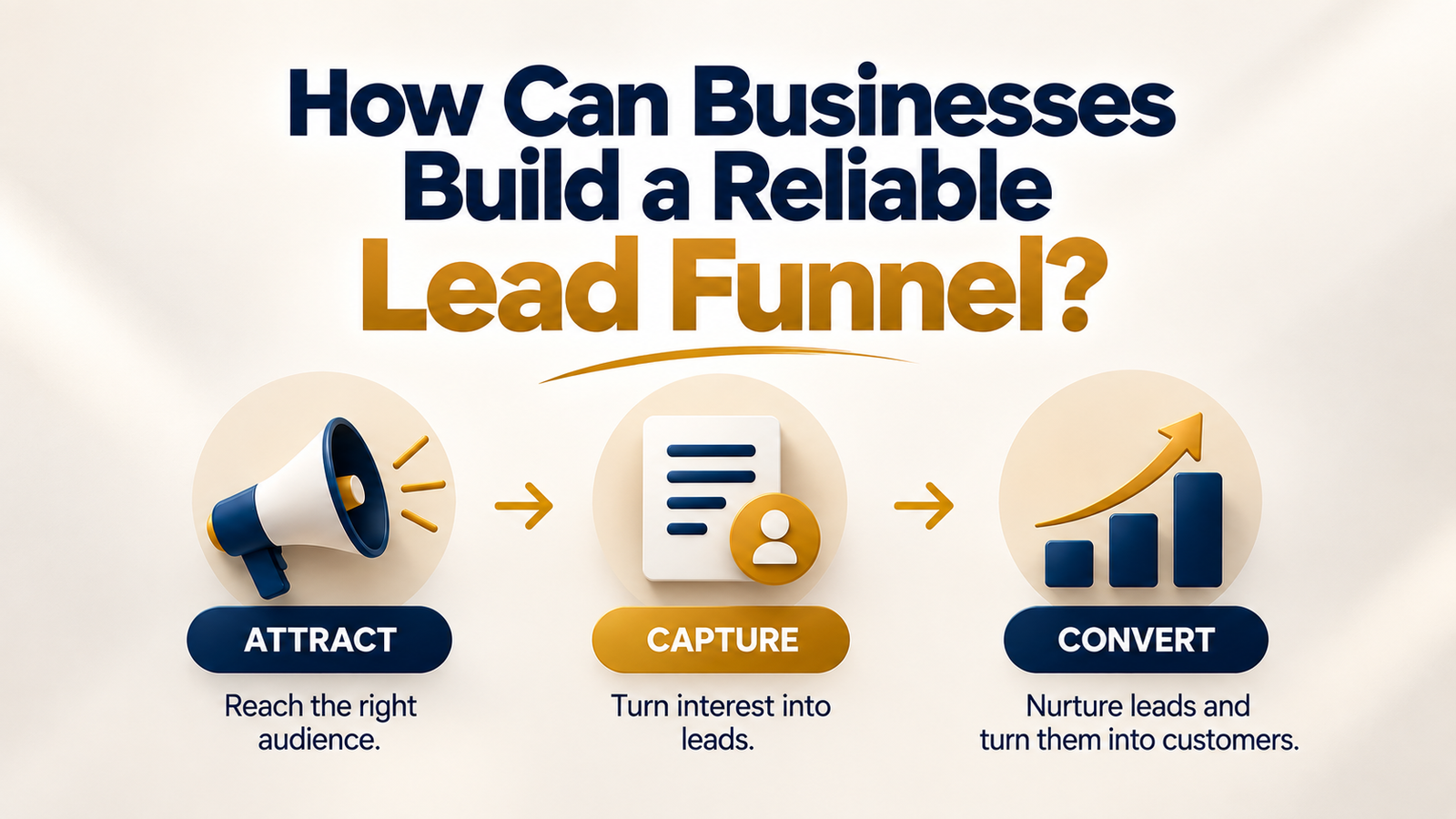
Ideally that next step eventually feeds into a real lead funnel, not just float there hoping someone remembers to come back on their own.
It gets reused, not thrown away after one post
One decent piece of content can usually turn into five or six others. A blog becomes a carousel, a couple of reel scripts, an FAQ answer, an email. Most small businesses create once and move on — which means they're always starting from zero instead of building on what already worked. Seems like a waste, honestly.
Before writing something new, check what's already performed. See what else can be pulled out of it.
It's judged by outcomes, not likes
A post with great engagement and zero enquiries isn't a win, even if the numbers feel good for a minute. What actually matters is messages, link clicks, saves, and eventually — sales. Google's own guidance on helpful content leans the same way: content built to genuinely answer a need tends to hold up better long-term than content built purely to rank or perform on one platform.
Which means someone actually has to look past the vanity numbers every few weeks. Not just post and hope.
FAQs
How is content marketing different from just posting on social media?
Posting is showing up. Content marketing is showing up with a plan — aimed at specific questions your customers have, moving toward an actual next step. Looks similar from the outside. Rarely produces the same results.
How often should a small business post content?
Consistency beats volume, every time. A handful of well-thought-out posts a week, each with a clear purpose, usually beats posting daily with no plan behind it.
Does content marketing work without paid ads?
It can — just slower, especially for newer accounts with smaller followings. A modest ad budget behind your best organic content usually speeds things up quite a bit.
Can AI-written content actually generate business?
It helps with drafting and structure, sure. But content with no real point of view or specific experience behind it rarely stands out. The businesses that actually see results tend to add their own examples, opinions, and answers on top — not just publish it as is.
Final Thoughts
Content marketing generates business when it answers a real question, matches where the reader actually is, says something worth remembering, gets pushed in front of people instead of waiting to be found, and leads somewhere specific. Posting regularly isn't the same thing, even if it looks identical from the outside.
If you'd like help building a content strategy that's actually tied to leads and sales, get in touch with Extradigitz for a free content audit.
Ready to grow?
Ready to put this into action?
Book a strategy call and we'll help you apply it to your business.