Digital Marketing Strategy
What Actually Helps Small Businesses Get Customers Online?
People Usually Don't Discover a Business and Buy Immediately
A customer might see a business on Instagram today. They may not buy anything. A few days later, they might see the same business again. Then they search for the business on Google. They look at the website. They read a few reviews. Maybe they compare it with two or three alternatives. Only after that do they finally make contact.
This means that getting customers online isn't always about one post or one advertisement. Sometimes it's about being visible at several points during the customer's decision-making process.
Being Easy to Find Matters More Than Most Businesses Realise
Try searching for your own business as if you were a stranger. What would you find? Can you understand what the business does immediately? Can you find the website? Are the services clearly explained? Can you find contact information without searching through several pages? Does the business look active?
These things seem basic, but they can affect whether someone decides to continue exploring or simply moves on. A business can have a great product and still lose potential customers because its online presence is confusing.
Google Is Still Important
When someone already knows what they need, search can be one of the most useful ways to reach them. They don't necessarily search for a specific company — they search for the problem they want to solve. They might compare different websites, read guides, look at reviews, and then contact a few businesses.
This is where useful content can make a difference. Instead of writing articles that simply say how great a business is, businesses can answer questions that potential customers actually have, such as: How much does this service cost? What should I look for before choosing a provider? Why isn't my current strategy working? What mistakes should I avoid?
Social Media Needs More Than Promotional Posts
One thing that seems common among small businesses is using every social media post as an advertisement. "Buy now." "Contact us." "Limited offer." "Call today." There's nothing wrong with promoting your business, but people don't necessarily follow a business because they want to see advertisements every day. They follow because something is useful or interesting.
Instead of saying "We provide digital marketing services," a more useful post might be: "Your ads are getting clicks but you're not getting enquiries. Here are a few things worth checking." The second one starts with a problem — that's often a better starting point for a conversation.
Ads Can Bring Attention, But Attention Isn't the Same as a Customer
Paid advertising can put a business in front of a large number of people. But getting someone to click isn't the end of the process. What happens after the click? Does the person understand the offer? Is the website easy to use? Is there a clear next step? Can they contact the business easily? Does anyone follow up with the enquiry?
A business can have a good advertisement and still struggle to generate customers if everything after the advertisement is poorly organised. It's useful to look at the complete journey instead of judging an ad simply by its number of clicks.
Make It Easy for Interested People to Contact You
This sounds obvious, but it's surprisingly easy to get wrong. Someone visits a website and decides they want to ask a question. Then they can't find the phone number. Or the contact form is difficult. Or there is no clear way to send an enquiry.
If someone has already shown interest, the next step shouldn't be complicated. Give them a simple way to contact you. Sometimes something as basic as a clear contact button can make the customer journey much easier.
Don't Try Every Platform at the Same Time
Instagram. Facebook. YouTube. LinkedIn. Google. SEO. Paid ads. Email. Before long, a small business can end up spending more time managing marketing channels than actually working on the business.
Not every business needs every platform. The better question is: Where do your customers actually spend time or search for solutions? If people are actively searching for your service, search marketing may make sense. If they discover businesses through social media, social platforms may deserve more attention. If video helps demonstrate what you sell, video content could be worth investing in.
Look at Enquiries, Not Just Views
Views and followers are easy numbers to notice. But if the goal is to grow a business, other numbers matter more: How many people contacted you? How many became genuine leads? How many eventually became customers? How much did it cost to generate those leads? How much revenue came from the campaign?
A post reaching 50,000 people sounds impressive. But if nobody contacts the business, the reach alone doesn't solve the business problem. Sometimes a smaller audience that actually needs your product or service can be far more valuable.
So What Should a Small Business Actually Do?
There isn't one universal answer, but the basic process can be quite simple: Get discovered → Build trust → Explain your value → Make contact easy → Follow up → Convert the enquiry.
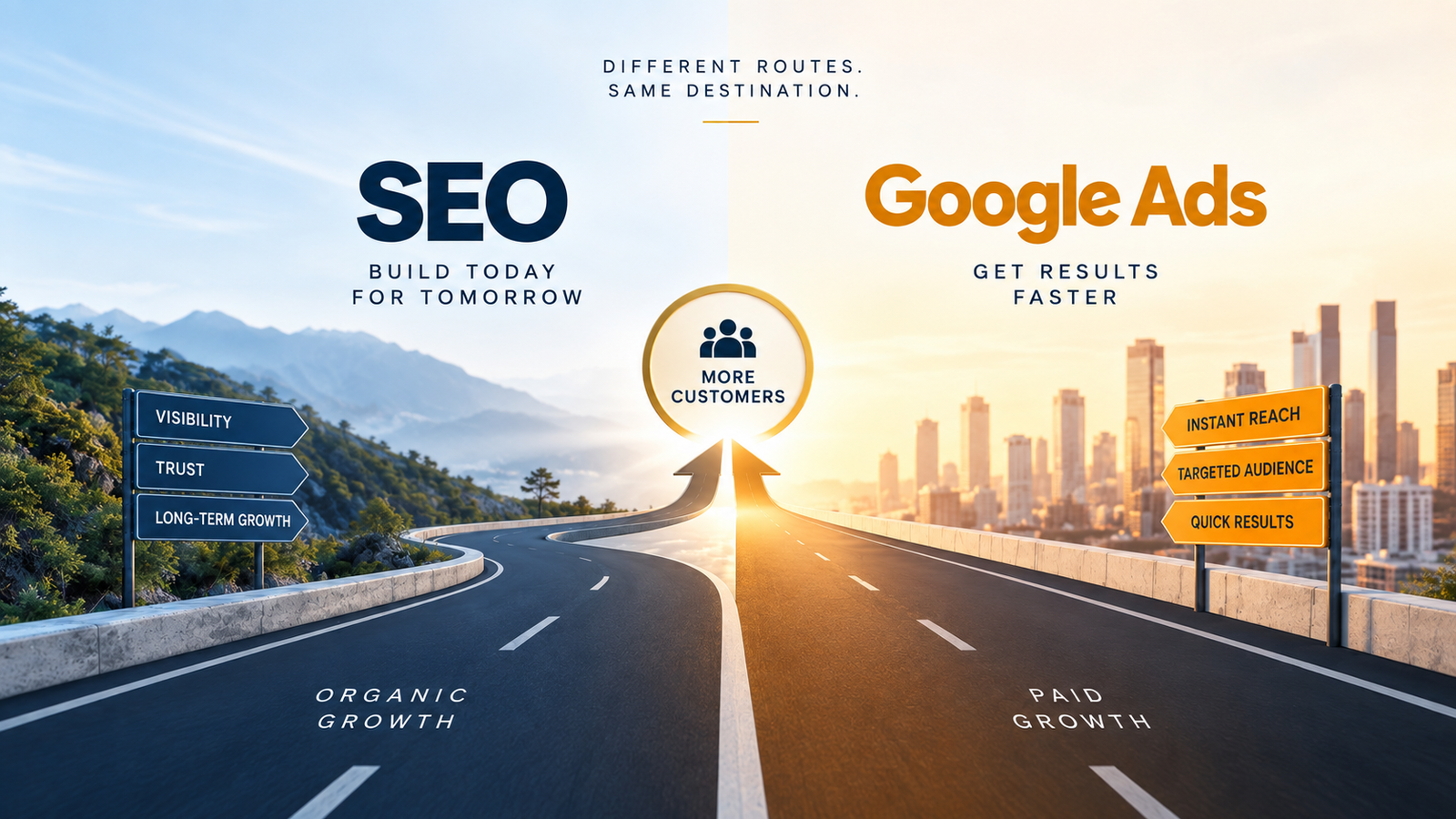
SEO can help with discovery. Social media can help people become familiar with the business. Advertising can help reach new audiences. A website can provide the information people need before making a decision. And a simple lead process can help turn interest into enquiries.
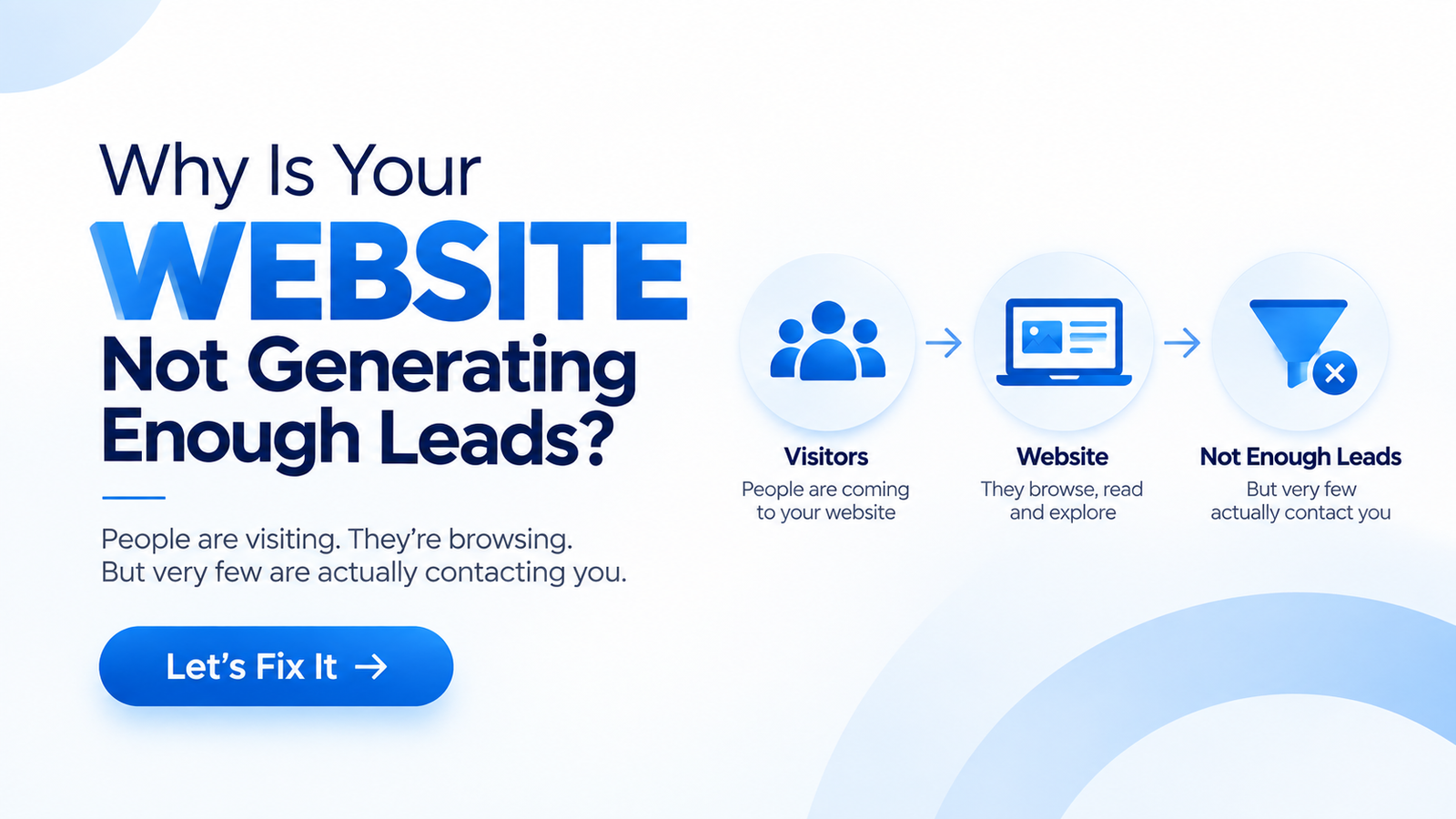
These parts shouldn't work completely separately. If you're getting traffic but no enquiries, look at the website. If you're getting enquiries but few sales, look at the offer or follow-up. If you're getting no traffic, look at visibility. If people see your content but never engage, look at the content itself. Instead of immediately changing the entire strategy, find the point where people are dropping off.
The Real Challenge Isn't Getting Attention
Getting attention online isn't necessarily difficult anymore. There are millions of posts, videos and advertisements competing for people's attention every day. The harder part is getting the right people's attention and giving them enough information and confidence to take the next step.
Small businesses should focus less on simply being everywhere and more on building a clear customer journey. Be discoverable. Be useful. Build trust. Make it easy to contact you. Then pay attention to what happens after that.
That's where online visibility starts becoming something more valuable than just views and followers.
Ready to grow?
Ready to put this into action?
Book a strategy call and we'll help you apply it to your business.